When a standard truck or van won’t work for oversized, heavy, tall, wide, or high-value cargo, specialized ground transportation provides the flexibility needed to move shipments safely and efficiently. Different types of specialized trucks are designed to accommodate specific freight requirements, from construction equipment and industrial machinery to building materials and sensitive cargo.
What Is Specialized Ground Transportation?
Specialized ground transportation refers to trucking services that use equipment specifically designed to transport cargo that can’t be moved using a regular sprinter van or semi-truck.
Specialized equipment may be necessary when a shipment is:
- Oversized or over-dimensional
- Extremely heavy
- Too tall for a standard trailer
- Too wide for an enclosed trailer
- Difficult to load with conventional equipment
- Sensitive to weather or environmental conditions
- Valuable or requires additional security
- Designed to be loaded from the side, rear, or top
Most Common Specialized Trucking Options:
Flatbed Trucking
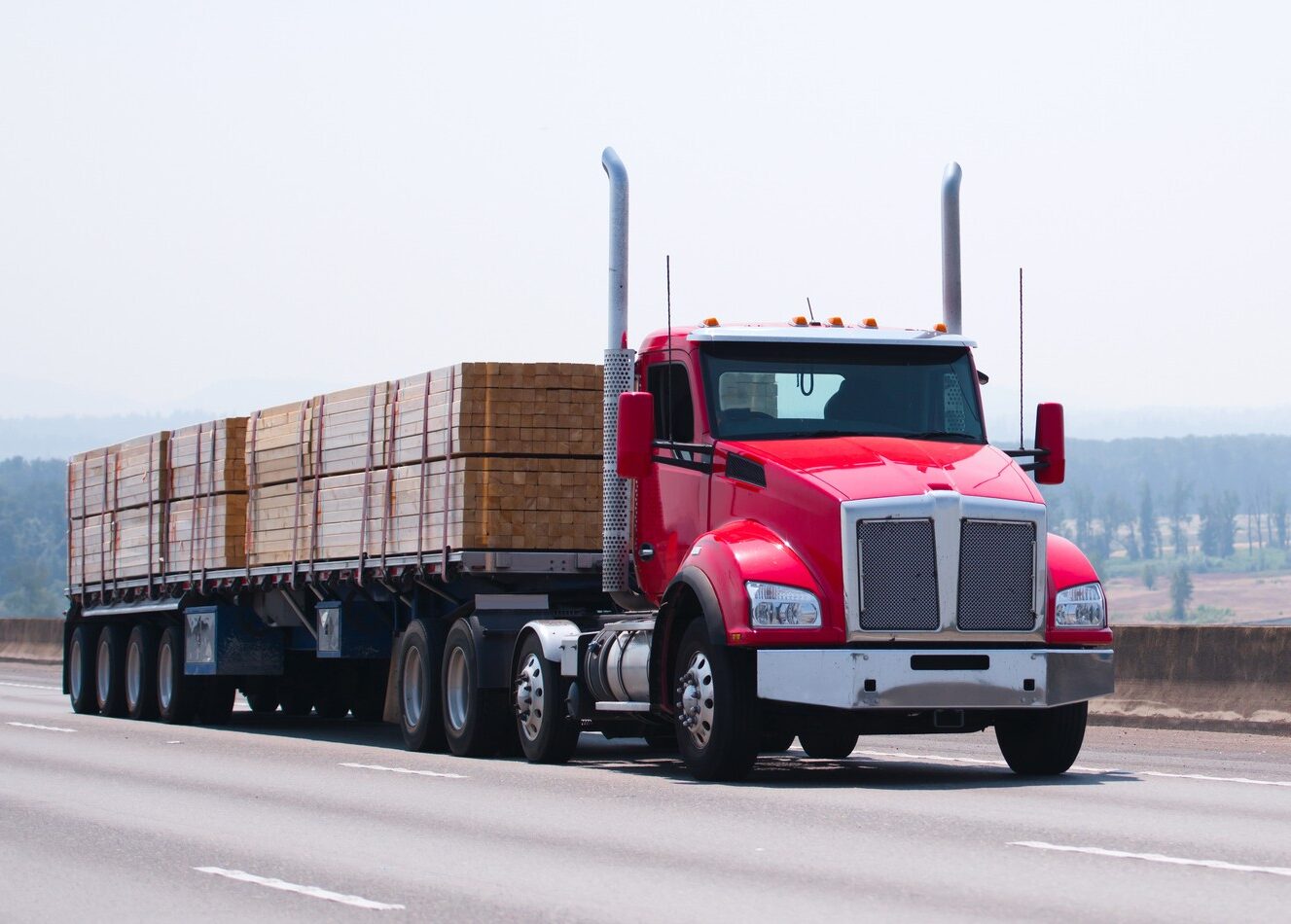
 Flatbed trailers have a completely open, level deck and no permanent sides or roof. Because the trailer is open, cargo can generally be loaded from the rear, side, or top.
This type of trucking is particularly useful for freight that is too large or oddly shaped to fit inside a traditional enclosed trailer.
Freight commonly transported on flatbed trailers includes:
- Construction materials
- Steel beams and structural steel
- Lumber
- Pipes and tubing
- Roofing materials
- Large machinery
- Agricultural equipment
- Industrial components
- Concrete products
- Building materials
Advantages of Flatbed Trucking
One of the biggest advantages of transporting freight on a flatbed trailer is loading flexibility. Since there are no walls or roof restricting access, cranes, forklifts, and other specialized equipment can often load cargo from virtually any direction. This is especially useful for moving large construction and industrial materials.
Other benefits include:
Accommodates oversized freight: Flatbeds can transport cargo that will not fit inside a standard trailer.
Faster loading for certain freight: When cargo is easy to access, loading and unloading can be more efficient.
Versatility: Flatbeds can accommodate a wide variety of cargo shapes, sizes, and configurations.
For freight that does not require complete enclosure, flatbed trucking is often one of the most flexible transportation options available.
Conestoga Trucking
 A Conestoga trailer combines many of the advantages of a flatbed with the protection of an enclosed trailer. It features a retractable sliding tarp system that can cover the cargo while allowing the trailer to function much like a flatbed when the tarp is opened.
This design provides shippers with greater flexibility when transporting freight that needs protection from weather but still requires side or overhead loading.
Conestoga trailers are frequently used to transport:
- Machinery
- Steel products
- Building materials
- Manufacturing components
- Industrial equipment
- Lumber
- Automotive components
- Palletized freight
- Finished products requiring weather protection
Advantages of Conestoga Trucking
Weather protection: The retractable tarp helps shield cargo from rain, snow, wind, and other environmental conditions.
Flexible loading: The tarp can be retracted to provide easier side and overhead access.
No traditional tarping required: A mechanical tarp system can make securing and covering cargo more convenient than manually tarping a conventional flatbed.
Reduced cargo exposure: Freight can remain covered during transit, which can be particularly beneficial for finished or weather-sensitive products.
Flatbed-like versatility: Shippers can accommodate freight that may be difficult to load through the rear doors of a conventional enclosed trailer.
Drop Deck Trucking
 A drop deck trailer, also called a step deck trailer, has two different deck levels. The front portion sits higher than the rear deck, which is positioned closer to the ground.
The lower deck provides additional vertical clearance for cargo compared with a standard flatbed trailer. Therefore, when cargo height is the primary transportation challenge, a drop deck trailer may provide a better solution than a standard flatbed.
Drop deck trailers are often used for:
- Construction equipment
- Agricultural machinery
- Industrial machinery
- Manufacturing equipment
- Large generators
- Excavators
- Tractors
- Cranes and other equipment
- Oversized components
Advantages of Drop Deck Trucking
Increased height clearance: Because the deck sits lower than a standard flatbed, taller cargo can often be transported while remaining within legal height restrictions.
Suitable for tall equipment: Machinery and equipment that would exceed the height limit on a standard flatbed may fit on a drop deck.
Easier equipment loading: Many pieces of wheeled or tracked machinery can be driven or ramped onto the trailer.
Versatile freight capacity: Drop decks can handle many of the same types of cargo as flatbeds while providing additional vertical clearance.
Removable Gooseneck (RGN) Trucking
 A removable gooseneck trailer, commonly called an RGN, is designed primarily for transporting heavy equipment and machinery. The front portion of the trailer can detach and lower to the ground, creating a ramp that allows equipment to be driven directly onto the trailer.
RGN trailers are particularly useful for heavy haul transportation and equipment that is difficult to load using conventional methods.
RGN trailers may transport:
- Excavators
- Bulldozers
- Wheel loaders
- Cranes
- Drilling equipment
- Mining equipment
- Large agricultural machinery
- Industrial machinery
- Heavy construction equipment
RGN trailers are available in various configurations and capacities, including multi-axle setups designed to distribute exceptionally heavy loads.
Advantages of RGN Trucking
Drive-on loading: The detachable front creates a ramp, allowing many types of equipment to be driven directly onto the trailer.
Designed for heavy equipment: RGNs are well suited for machinery that exceeds the weight or dimensional capabilities of standard trailers.
Lower deck height: The trailer’s design can provide additional vertical clearance for tall equipment.
Efficient loading and unloading: Equipment can often be loaded without requiring a separate crane or large lifting device.
Excellent for oversized machinery: RGNs are frequently used when transporting large construction, industrial, agricultural, and mining equipment.
For heavy, tall, or self-propelled equipment, an RGN can provide significant advantages over conventional flatbed transportation.
Enclosed Trucking

Enclosed trucking uses a trailer with permanent walls and a roof, providing complete protection from weather and outside exposure. Enclosed trailers are among the most common transportation options and are particularly appropriate for cargo that requires environmental protection or additional security.
Although standard dry vans are widely used for general freight, specialized enclosed transportation may involve trailers or equipment configured specifically for valuable, sensitive, or unusual cargo. For cargo where security, cleanliness, and weather protection are priorities, enclosed trucking can be the ideal solution.
Examples include:
- High-value machinery
- Electronics
- Finished manufactured goods
- Automotive parts
- Sensitive equipment
- Retail products
- Packaged goods
- Trade show materials
- Products requiring protection from weather
- Cargo requiring increased security
Advantages of Enclosed Trucking
Maximum weather protection: A fully enclosed trailer protects cargo from rain, snow, road debris, and other environmental exposure.
Additional security: Enclosed transportation limits visibility of the cargo and can provide an additional layer of protection against theft or tampering.
Protection for sensitive freight: Products that could be damaged by moisture, dirt, or environmental exposure can benefit from enclosed transportation.
Professional presentation: Enclosed trailers can be particularly appropriate for transporting finished products, valuable equipment, and materials that must arrive in clean condition.
Specialized Trucking Options at a Glance
| Trailer Type | Best For | Key Advantage |
| Flatbed | Steel, lumber, construction materials, machinery | Flexible loading and oversized freight capability |
| Conestoga | Machinery, building materials, industrial freight | Flatbed access with weather protection |
| Drop Deck | Tall machinery and equipment | Increased vertical clearance |
| RGN | Heavy construction and industrial equipment | Easy drive-on loading and heavy-haul capability |
| Enclosed | Sensitive, valuable, or weather-sensitive freight | Maximum protection and security |
Finding the Right Specialized Trucking Solution
Moving specialized freight requires more than simply finding an available truck. The equipment must be properly matched to the cargo to help ensure safe, efficient transportation. From the flexibility of a flatbed truck to the weather protection of a Conestoga trailer, the increased clearance of a drop deck, the heavy-haul capability of an RGN trailer, and the security of an enclosed truck, each equipment type serves a specific transportation requirement.
The Logistics Specialists at Grand Aire are available 24/7/365 and ready to assist in selecting the appropriate equipment to transport challenging freight from origin to destination. Our team quickly evaluates your shipping needs and provides you with the optimal solution to meet your critical timeline.
Let us put our experience and expertise to work for you. Give us a call at 1-800-70-GRAND or email our team directly at logistics@grandaire.com.