Due to the fragile nature of perishable items, the shipping process for these types of goods involves more than simply moving cargo from one destination to another. Shippers must consider product shelf life, temperature requirements, transit times, packaging, handling procedures, and potential delays.
Both air freight and ground offer viable transportation options. Selecting the right transportation method can make a significant difference in protecting valuable cargo and ensuring that it arrives on time. Choosing the optimal method depends on timing, destination, and logistical needs.
What Are Perishable Goods?
Perishable goods are products that can spoil, deteriorate, or lose their effectiveness over time if they are not transported and stored under appropriate conditions. While some products require refrigeration or freezing, others need protection from humidity, temperature fluctuations, light, or excessive transit time.
Common types of perishable goods include:
- Food and beverages: Fresh produce, meat, seafood, dairy products, frozen foods, and prepared meals.
- Pharmaceuticals and medical supplies: Certain vaccines, medications, laboratory specimens, and other temperature-sensitive healthcare products.
- Agricultural products: Freshly harvested crops, seeds, plants, and other agricultural commodities.
- Flowers and horticultural products: Fresh-cut flowers, nursery stock, and live plants.
- Specialty products: Certain ingredients, cosmetics, and other materials with specific environmental requirements.
Each product has unique shipping requirements. For example, frozen foods must remain frozen, while fresh flowers may require carefully managed temperature and humidity conditions. And certain pharmaceuticals must remain within a specific temperature range to maintain their quality and effectiveness.
How Perishable Goods Are Shipped by Air Freight
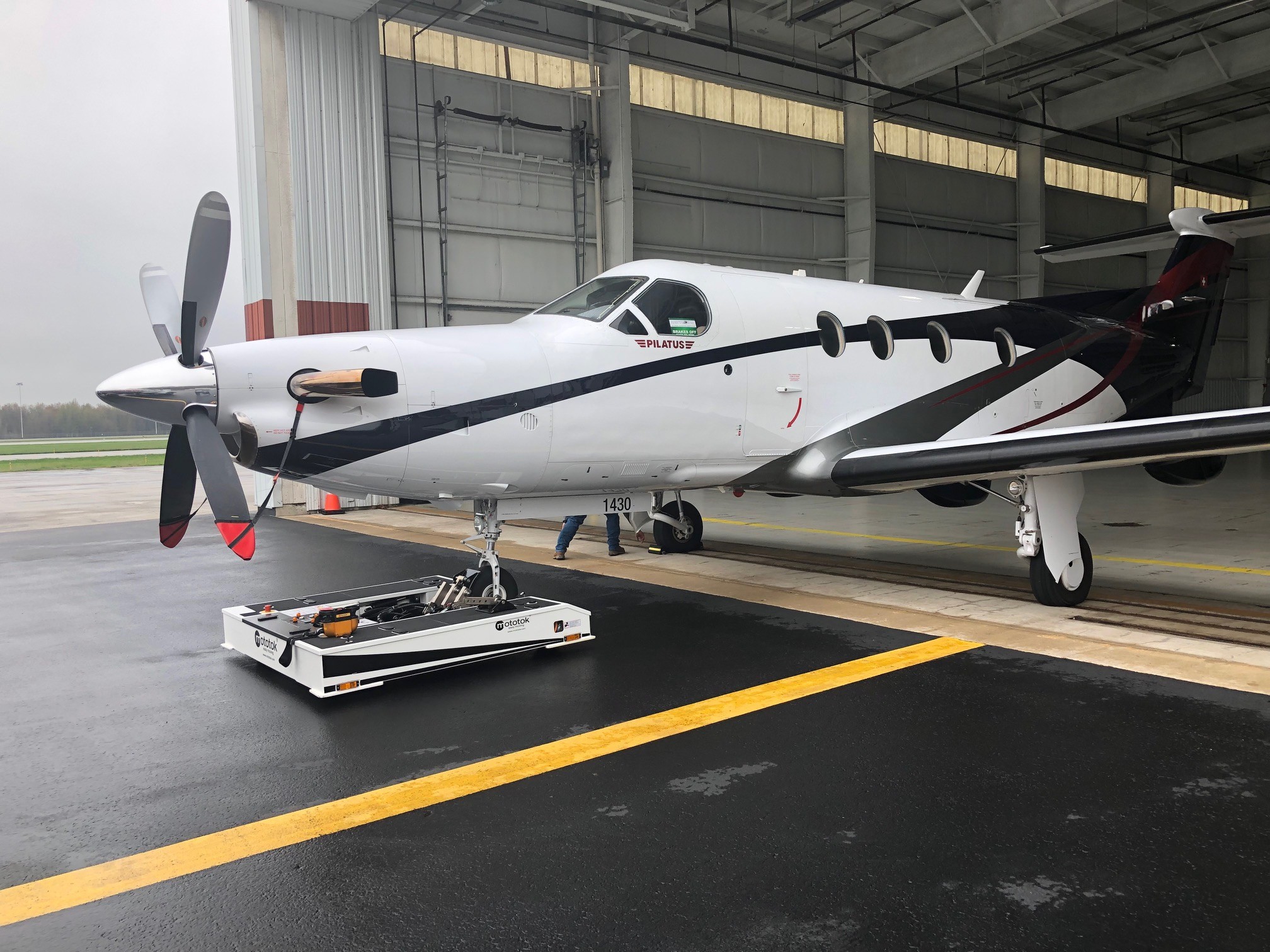
Air freight is often the preferred transportation method when speed and long-distance delivery are priorities. 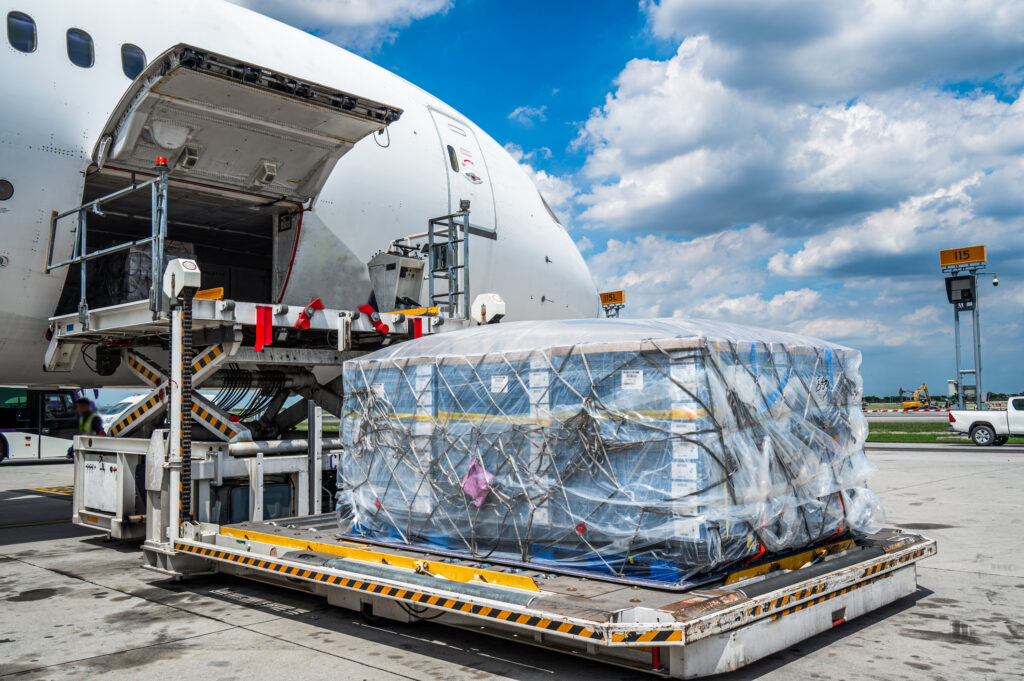 By reducing transit time, air cargo can help safeguard the shelf life of perishable products. It can also support deliveries that cannot accommodate extended transportation schedules.
Transporting cargo by air is particularly useful for urgent shipments, high-value cargo, and products being transported over long distances.
Temperature-Controlled Air Cargo
Certain perishable goods require carefully controlled temperatures throughout transport. Depending on the airline, route, aircraft, and available cargo facilities, shipments may use temperature-controlled containers, insulated packaging, or specialized handling procedures.
Examples include fresh seafood, specialty produce, and temperature-sensitive pharmaceutical products.
Specialized Packaging for Air Freight
Packaging plays an important role in protecting perishable goods during air transportation. Cargo may pass through warehouses, airport facilities, loading areas, and ground transportation vehicles before reaching its final destination.
Depending on the product, packaging may include:
- Insulated containers or thermal covers.
- Gel packs or other suitable refrigerants.
- Dry ice for approved shipments.
- Protective packaging to prevent damage, leakage, or contamination.
- Qualified temperature-controlled packaging for sensitive pharmaceutical products.
The optimal packaging for a product is determined by the expected time in transit, overall travel conditions, and potential delays.
Advantages of Air Freight for Perishable Goods
Shipping by air offers several benefits:
- Speed: Helps reduce transit time for urgent and highly perishable shipments.
- Long-distance transportation: Connects suppliers, manufacturers, distributors, and customers across domestic and international markets.
- Shelf-life preservation: Shorter transit times can help uphold the product’s shelf life.
- Support for high-value cargo: Provides a transportation option when delays or product deterioration could create significant financial losses.
- Flexible logistics planning: Can be combined with ground transportation for pickup and final delivery.
Air freight can be significantly valuable when the cost of transportation is weighed against the potential cost of spoilage, lost product value, or a missed delivery deadline.
Challenges of Air Freight
Despite its speed, air freight can be more expensive than ground transportation. Capacity limitations, flight schedules, weather disruptions, airport congestion, and customs processing can also affect delivery timelines.
Temperature-sensitive cargo may require additional packaging, handling arrangements, or specialized services.
The complete shipment needs to be evaluated rather than focusing on flight time alone. Pickup, airport processing, transfers, and final delivery all contribute to the overall transit time.
How Perishable Goods Are Shipped by Ground Transportation
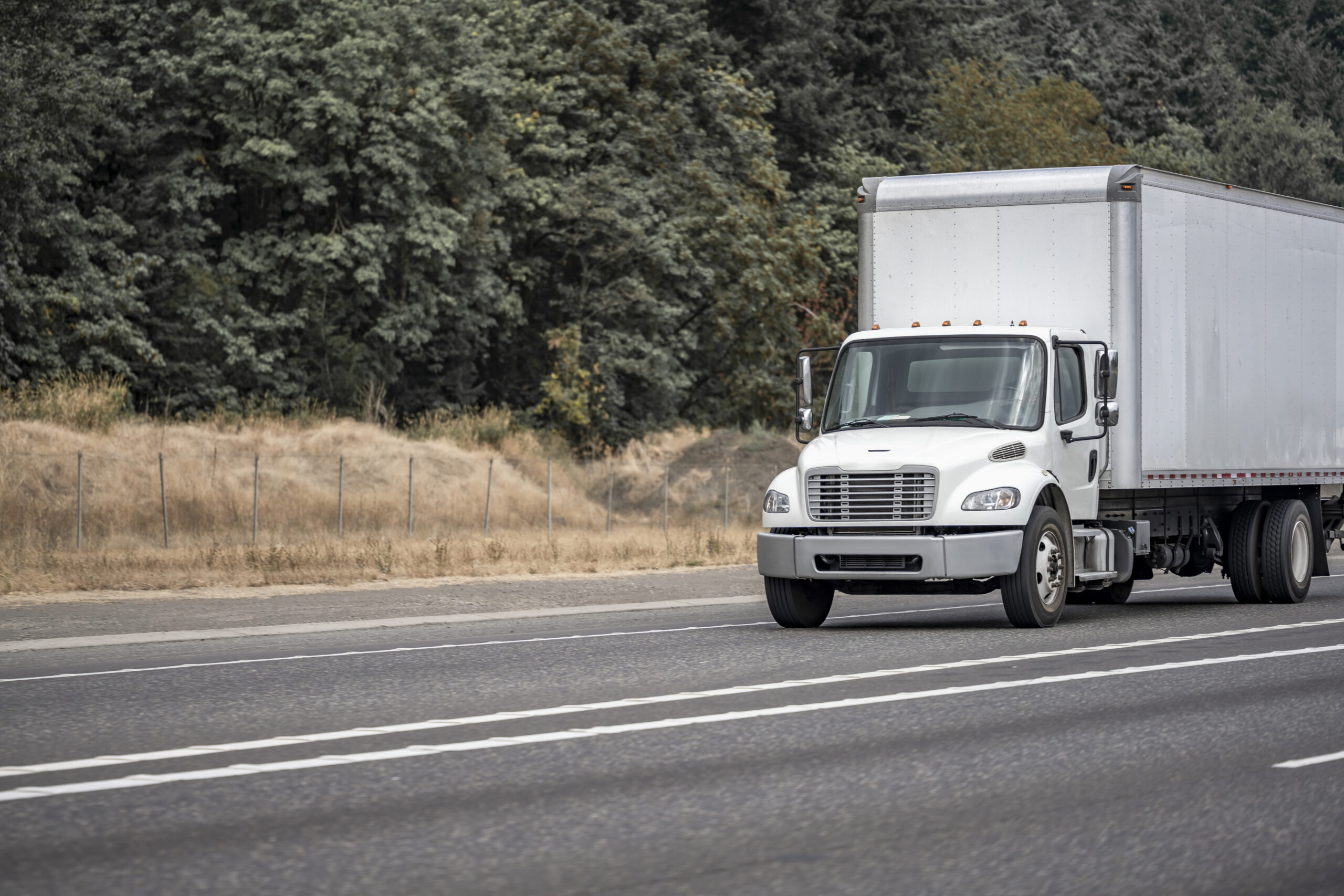
Ground transportation is utilized for moving perishable goods both domestically and regionally. It is also necessary for the pickup and final delivery portions of air freight shipments.
Depending on the cargo, transportation may involve refrigerated trailers, insulated vehicles, temperature-controlled containers, or other specialized equipment.
Refrigerated Trucking
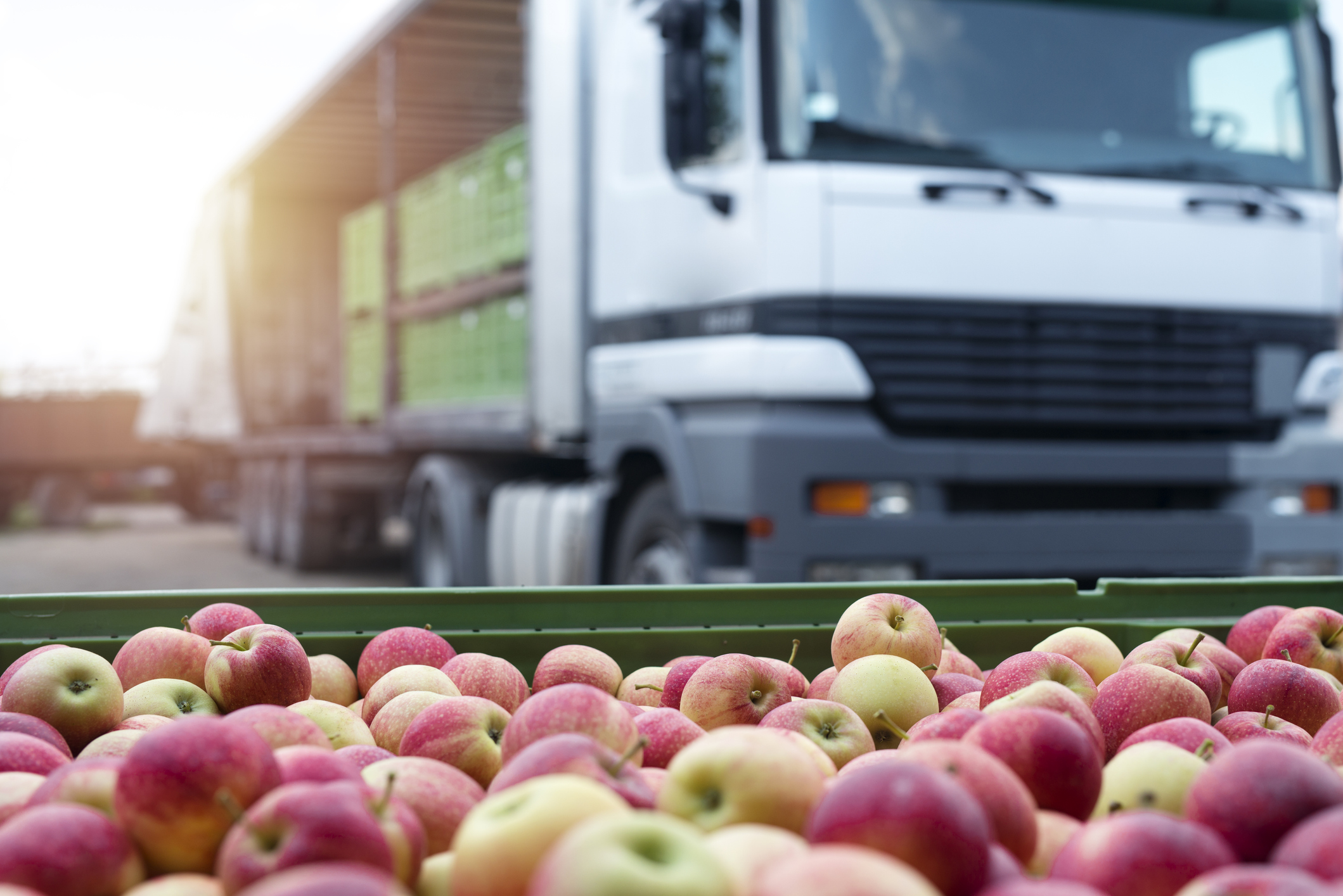
Refrigerated trucks, commonly called reefer trucks, are designed to maintain specified temperatures during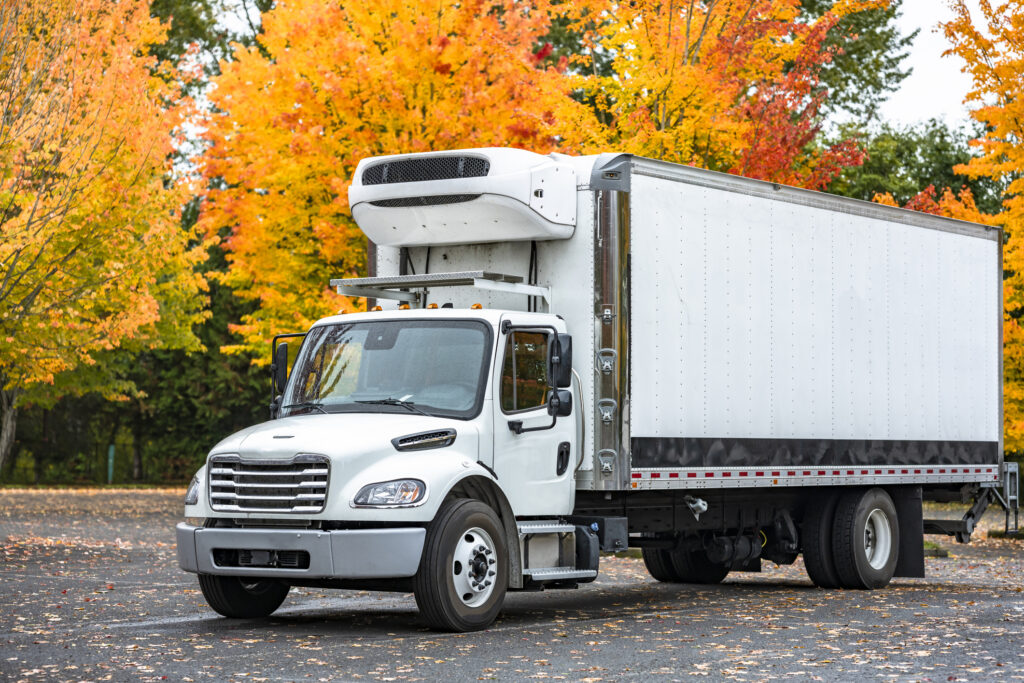 transportation. They are widely used for products that must remain chilled or frozen.
Typical shipments include:
- Meat and poultry.
- Seafood and dairy products.
- Fresh fruits and vegetables.
- Frozen foods and ice cream.
- Certain temperature-sensitive medical products.
Refrigerated trucking includes both full truckload (FTL) and less-than-truckload (LTL) transportation, depending on the carrier and shipment requirements.
Full truckload transportation may reduce handling and transitional stops by dedicating a single trailer to a shipment. Less-than-truckload shipping can provide a more economical option for smaller loads; however, consolidation may involve additional handling and transit time.
Chilled vs. Frozen Transportation
Chilled and frozen products have different transportation requirements. Chilled goods must remain within their specified refrigerated temperature range without freezing. Frozen products must remain at the required low temperatures to avoid thawing.
Pre-cooling the trailer, checking proper function of refrigeration equipment, and loading cargo appropriately are important factors in temperature management. Proper airflow is also important because refrigeration equipment is generally designed to maintain product temperature rather than rapidly cool warm cargo.
Insulated and Specialized Ground Shipping
Not every perishable shipment requires a refrigerated trailer. Some smaller shipments or products with proven packaging solutions may be transported in insulated containers with appropriate refrigerants.
These solutions may be fitting for certain laboratory supplies, temperature-sensitive ingredients, and smaller shipments with definite transit requirements.
The packaging must be suitable for the expected journey, outside temperatures, handling conditions, and potential delays. Product-specific requirements should always guide the selection of transportation equipment and packaging.
Advantages of Ground Transportation
Ground transportation offers several benefits for shipping perishable goods:
- Cost efficiency: Often provides a more economical option for domestic and regional shipments.
- Flexible pickup and delivery: Supports direct movement between facilities, distribution centers, warehouses, and customers.
- Specialized equipment: Refrigerated trailers and other suitable equipment can accommodate many temperature-sensitive products.
- Scalability: Supports shipments ranging from smaller loads to full truckloads.
- Distribution network access: Connects businesses with manufacturing facilities, retailers, restaurants, and regional markets.
Challenges of Ground Transportation
Ground shipments typically take longer than air freight over extended distances. Traffic, road closures, severe weather, equipment failures, and driver availability can affect delivery schedules.
Longer transit times may also increase the importance of refrigeration, temperature monitoring, and contingency planning.
For highly perishable goods or shipments with strict delivery deadlines, businesses should evaluate whether direct ground transportation, expedited service, air freight, or a combination of modes offers the best balance of cost and reliability.
Air Freight vs. Ground Transportation: Which Is Best for Perishable Goods?
Choosing between air freight and ground transportation depends on several factors, including the product’s shelf life, destination, shipment size, budget, and required delivery window.
|
Consideration |
Air Freight |
Ground Transportation |
|
Transit time |
Often faster over long distances |
Well suited to regional and domestic routes |
|
Transportation cost |
Typically higher |
Often more economical for many domestic shipments |
|
Temperature management |
Depends on packaging, facilities, and service availability |
Refrigerated trailers and other specialized equipment available |
|
Typical applications |
Urgent, high-value, or highly perishable shipments |
Regional distribution, food delivery, and larger domestic shipments |
|
Geographic reach |
Extensive domestic and international networks |
Direct access to many pickup and delivery locations |
|
Common challenges |
Flight schedules, capacity, airport handling, and customs |
Traffic, weather, equipment availability, and longer transit times |
Combining Air and Ground Transportation
For many businesses, the most effective shipping plan for perishable goods involves both air freight and ground transportation.
This approach allows companies to use air cargo for long-distance movement while relying on ground transportation for pickup, airport transfers, and final delivery.
For example, a food distributor importing fresh seafood may arrange ground transportation from the supplier to the departure airport. Air freight would then move the goods to the destination market. Finally, proper ground transportation would be used to carry cargo to the receiving facility.
Need to Ship Perishable or Time-Sensitive Cargo?
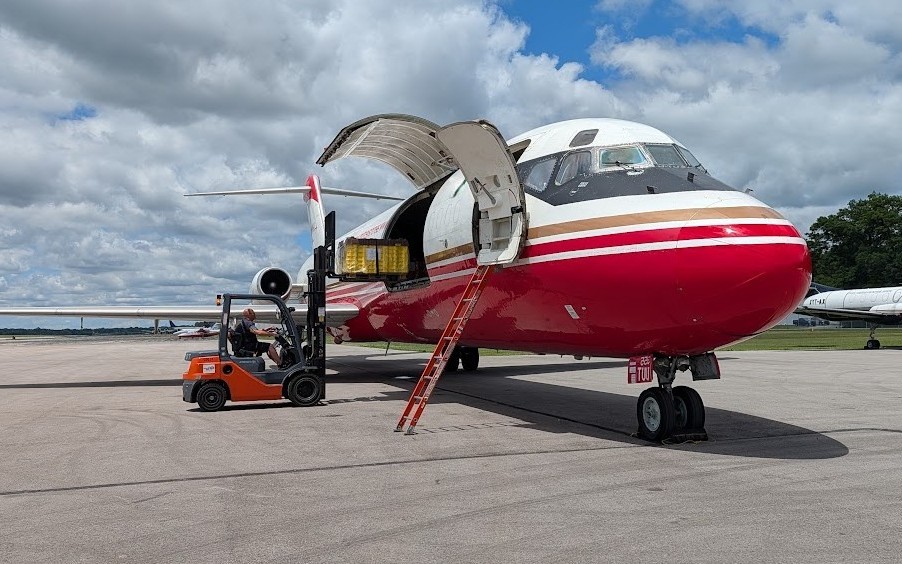 When timing is critical, choosing the right transportation strategy matters. Grand Aire has been working with businesses for over 40 years to coordinate and manage air and ground transportation solutions to meet their shipping needs.
Contact Grand Aire today to discuss your shipment and request a customized freight quote. Our Logistics Team is available 24/7/365 to help evaluate your transportation options and plan your next shipment with confidence. Give us a call at 1-800-74-GRAND or email our team directly at logistics@grandaire.com.